How to Choose a Personal Trainer in London: 9 Questions to Ask
By Lewis Paris · · Updated
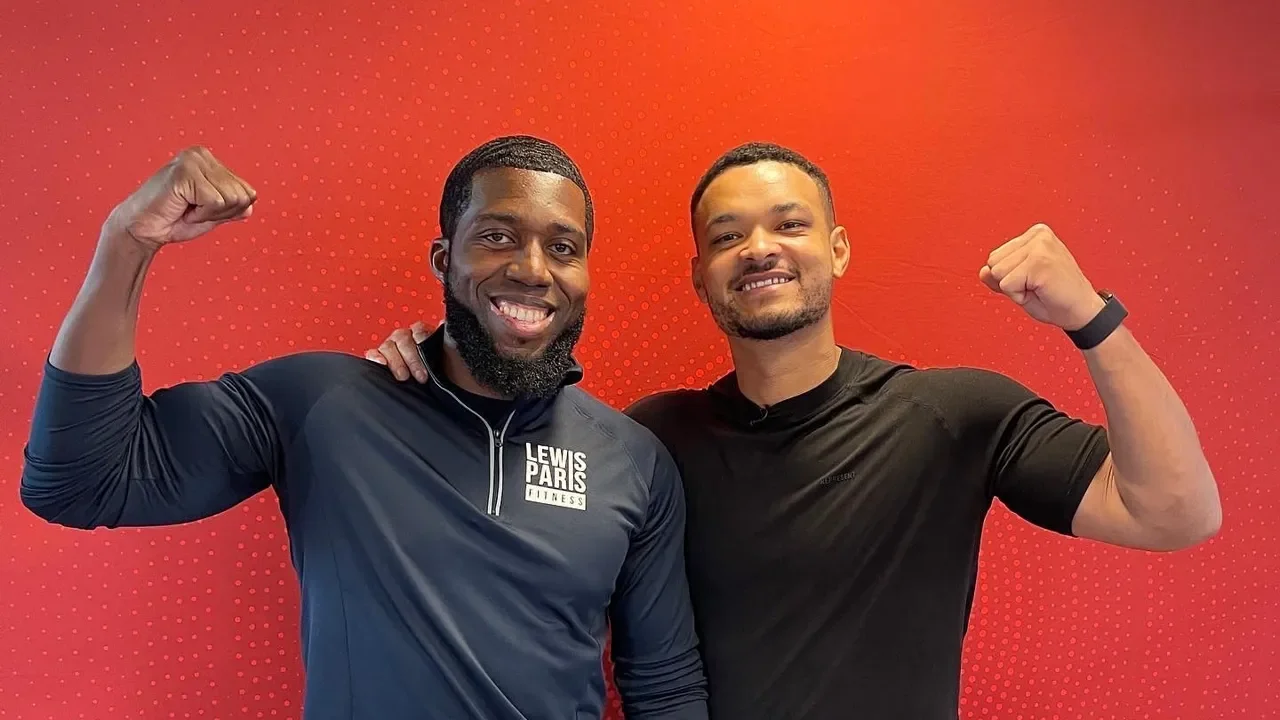
London has thousands of personal trainers. Search "personal trainer London" and you'll find chain gyms, apps, Instagram coaches and private studios, all promising results.
Choosing the wrong one costs you months, money and confidence. I've been a personal trainer in London for over ten years. Here's what I'd ask if I were looking for one.
1. Are you qualified and insured?
In the UK, a Level 3 Personal Trainer qualification is the standard. Many good trainers are also listed on the CIMSPA professional register. Ask about insurance too. It's basic, but not everyone has it.
2. How will you assess me before we start?
A good trainer wants to see how you move before they load you: posture, mobility, squat, hinge, push and core. If they jump straight into a hard workout, they're guessing.
3. Have you helped people like me?
Fat loss, back pain, getting strong after 40, getting back after having a baby: ask for examples and reviews from people with your goal. A trainer who's brilliant with young athletes might not be right for a busy executive with a bad back.
4. Will my programme be written for me?
You're paying for expertise, not a template. Ask what happens between sessions. Do you get a plan to follow? Do they check in?
5. How do you handle injuries and pain?
The right answer involves working around the problem, never through pain, and referring you to a physio or GP when needed.
6. What's included in the price?
Programme, check-ins, nutrition guidance? Ask for the full picture. If you want to compare prices, I've written a guide to how much a personal trainer costs in London.
7. Where and when can we train?
Location matters more than people think. If getting there is hard, you won't go consistently. Choose a gym near your home or office and session times you can stick to.
8. How will we measure progress?
Strength, measurements, energy, how your clothes fit, pain levels. A good trainer tracks what matters to you, not just the scale.
9. Do I like you?
You'll spend a lot of time together. You want someone who pushes you, listens and makes you want to come back. One client described it well: "He knows exactly how far to push you… he really listens to what you want to achieve."
Red flags to watch for
- No assessment before the first workout.
- Every client does the same programme.
- Selling supplements or extreme diets.
- Telling you to push through pain.
- No reviews, or only vague ones.
- Pressure to sign up on the spot.
Where I fit
I coach 1-2-1 clients at Engine Room Gym, St Bede's Hall, Albany Street, NW1. It's a short walk from Great Portland Street, Regent's Park, Marylebone and Fitzrovia. Most of my clients are busy professionals, many of them women in their 30s and 40s. Plenty come to me with back pain or a history of starting and stopping.
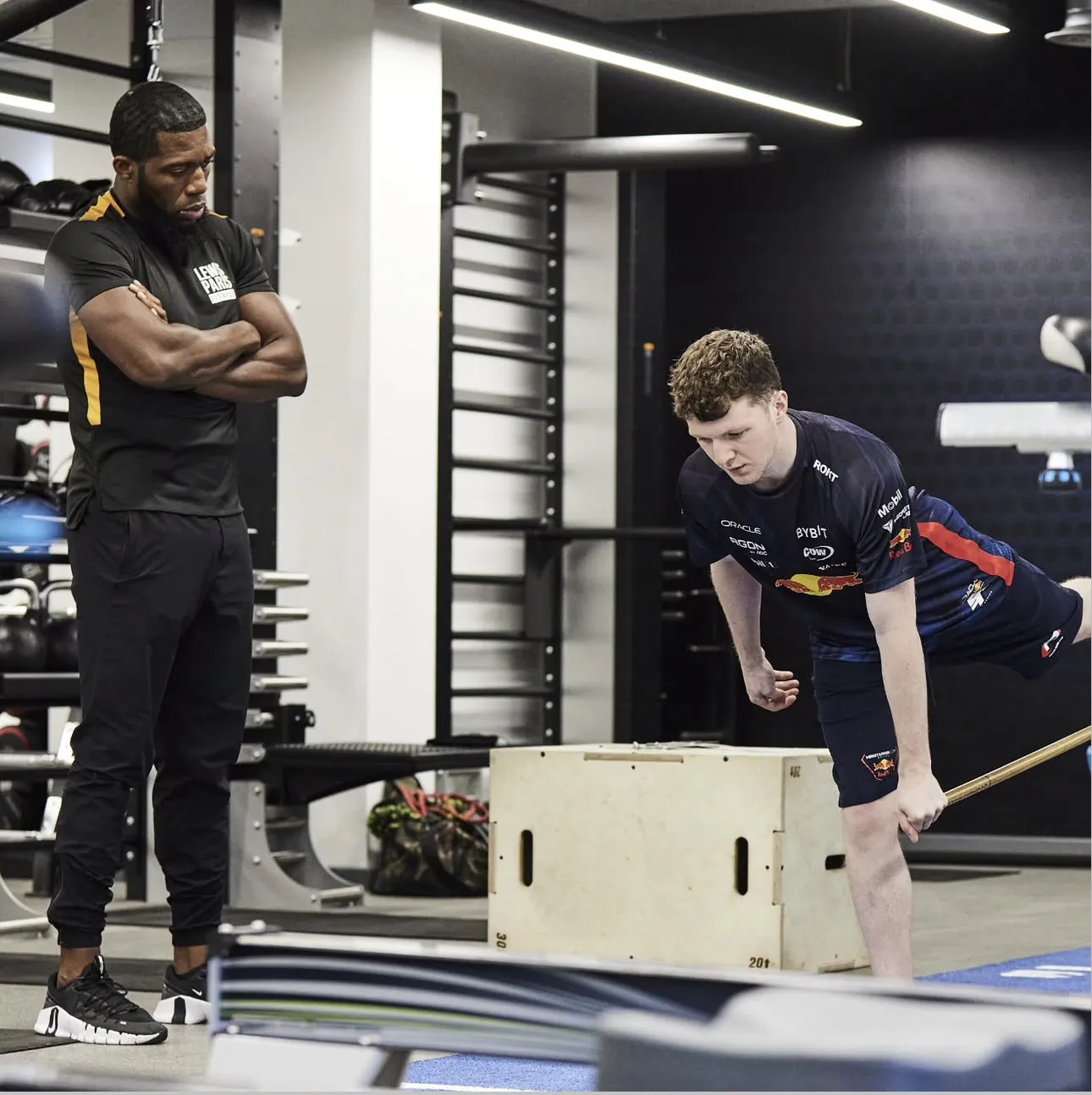
Every client starts with a movement analysis. I've coached the Red Bull UK team since 2018, worked with Red Bull Sim Racing, and was named Personal Trainer of the Year in 2024. Read more on my personal training page, or see real client results.
FAQs
What qualifications should a personal trainer have in the UK?
A Level 3 Personal Trainer qualification is the industry standard. Look for insurance too, and check for CIMSPA membership and relevant extra training, such as for back pain or pre- and postnatal clients.
How do I find a good personal trainer near me in London?
Shortlist trainers near your home or office, read their Google reviews, check they've helped people with your goal, and book a consultation or assessment before you commit.
Should I try a session before signing up?
Yes. A first session or assessment shows you how a trainer works. Mine is a £60 movement analysis, so you leave with useful information either way.
How long should I work with a personal trainer?
Plan for at least 12 weeks. That's long enough to learn the key movements, build habits that stick, and see real change in your strength, shape and energy. Anything shorter tends to treat the symptom, not the cause, and the results fade.
After that, it depends on your goal. Some clients come to me for a set block, such as a wedding or getting back from an injury. Most stay because the progress keeps coming. My clients typically train with me for one to three years, and my longest-standing client trained with me for seven.
When you're ready to train more on your own, online coaching keeps the plan and the accountability at a lower cost. The goal is to leave you strong, confident and in control, not dependent on me.