Strength Training for Women Over 40: Where to Start
By Lewis Paris · · Updated
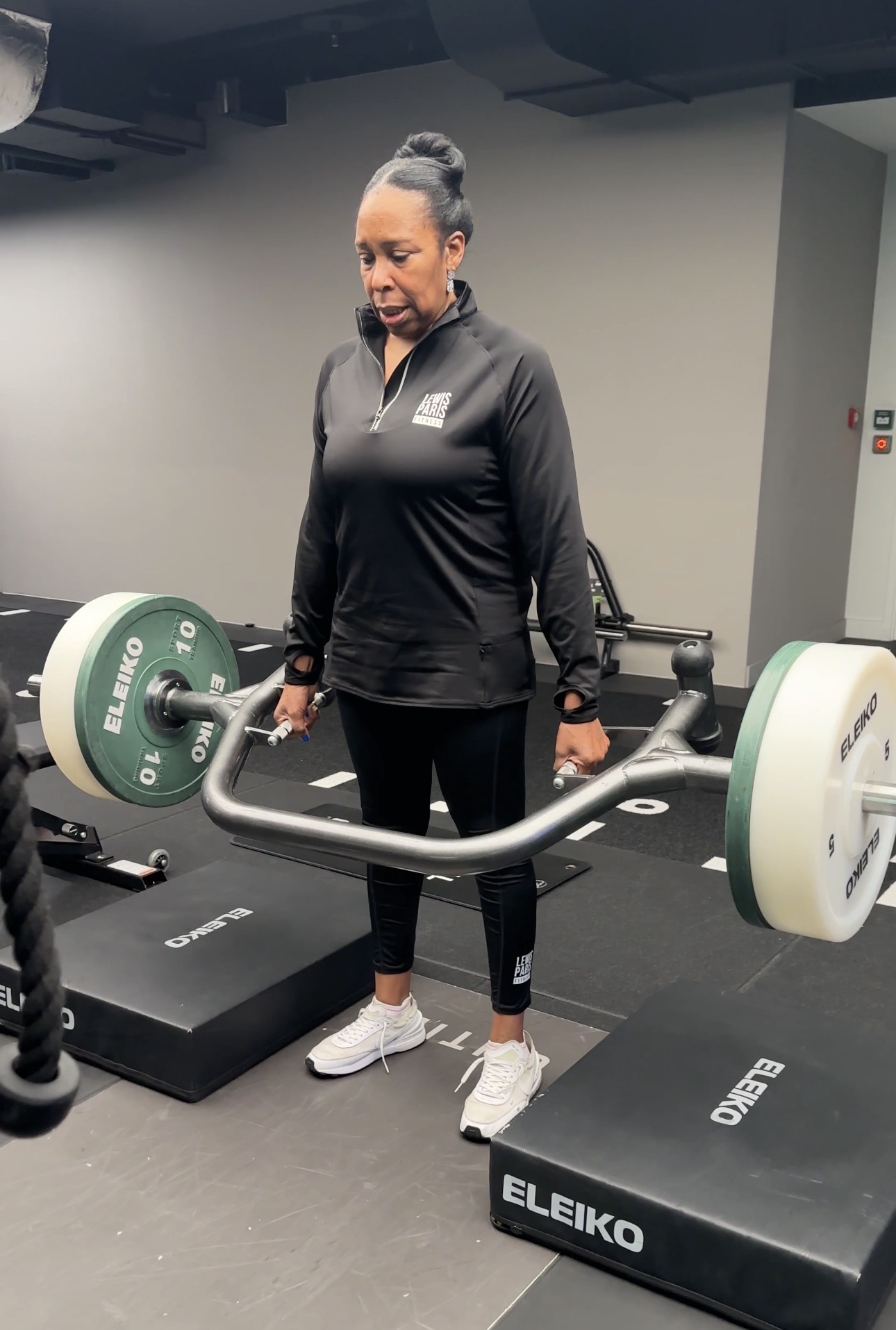
A lot of the women I coach are in their late 30s and 40s. They're capable, busy and holding everything together for everyone else. And quietly, they tell me the same things: "I'm not myself anymore." "There's nothing left for me by the end of the day."
Strength training won't fix everything. But it's one of the most powerful things you can do for your body, energy and confidence, and it matters more after 40 than at any other time.
Why strength matters more after 40
From around your 30s, you slowly start to lose muscle unless you train to keep it. As you move through perimenopause and menopause, falling oestrogen speeds up the loss of bone density too.
Less muscle and weaker bones mean less strength, a slower metabolism, more aches and a higher risk of injury later. The good news is that strength training works against both. It's never too late to start.
The NHS recommends that every adult does strength activities on at least two days a week. Most women I meet aren't doing any.
What strength training can do for you
- Protects muscle and bone as your hormones change.
- Helps with body composition, so you're firmer and stronger, and it's easier to manage weight.
- Improves energy and sleep.
- Supports mood and stress. Many clients say it's the one hour of the week that's just for them.
- Builds confidence. There's nothing like lifting something you couldn't lift a month ago.
One client, Elise, put it perfectly. She went from "not trusting myself to swing a kettlebell, to being complimented at the gym on my form."
"Won't lifting make me bulky?"
No. Building noticeable muscle takes years of focused training and eating. What you'll actually get is strength, shape and a body that feels capable.
How to start
- Two sessions a week, 30 to 45 minutes each. Three if you can.
- Learn the basic movements first: squat, hinge, push, pull, carry. Technique before heavy weight.
- Go heavy enough to challenge you. The last two reps of each set should feel hard but controlled.
- Progress slowly. Add a little weight or a rep or two each week.
- Respect recovery. On low-energy days, lower the intensity, don't skip entirely.
A simple beginner session
Do 2 to 3 rounds. Rest 60 to 90 seconds between exercises.
- Goblet squat: 8–10 reps
- Dumbbell Romanian deadlift: 8–10 reps
- Incline press-up (hands on a bench): 6–10 reps
- One-arm dumbbell row: 8–10 each side
- Farmer's carry: 30 seconds
- Dead bug: 6 each side
If anything hurts, as opposed to feeling like hard work, stop and get it checked.
Training through perimenopause
Symptoms such as poor sleep, hot flushes, joint aches and brain fog can make training feel harder. Adjust, don't quit. Train at the time of day you feel best, keep sessions shorter when you need to, and prioritise sleep and protein.
If your symptoms are affecting your life, talk to your GP or a menopause specialist about your options. Training works alongside medical support. It doesn't replace it.
Putting yourself first
The hardest part for most women isn't the training. It's giving yourself permission to take the time. You're not being selfish. You'll show up better for everyone else when you've looked after yourself first.
If you'd like a plan built around your body, your hormones and your diary, I coach women 1-2-1 at Engine Room Gym near Regent's Park and Great Portland Street. You can read more on my personal training page, or train with me through online coaching.
FAQs
Is it safe to start strength training after 40?
Yes, for almost everyone. Start with lighter weights and good technique, and progress gradually. If you have an injury or health condition, check with your GP first.
How often should women over 40 lift weights?
Two to three sessions a week works well, in line with the NHS recommendation of strength activities on at least two days a week.
Can strength training help with perimenopause?
It helps protect muscle and bone, and many women find it improves their energy, sleep and mood. It works best alongside medical support if you need it.
Is it too late to start at 50 or 60?
No. Muscle responds to training at any age. Some of my best results have come from clients in their 50s and beyond.