Employee Wellbeing Strategy: A Practical 2026 Guide for London Employers
By Lewis Paris ·

Most companies have wellbeing initiatives. Far fewer have a wellbeing strategy. That means a clear plan, built into the working week, that you can measure and improve.
Since 2018 I've run fitness and wellbeing programmes for Red Bull UK and other London teams. Here's a practical framework any employer can use.
The numbers in 2026
- 9.4 days. Average sickness absence per employee per year, the highest in more than 15 years (CIPD, Health and wellbeing at work, 2025).
- Mental ill health is now the leading cause of long-term absence (CIPD, 2025).
- 22.1 million working days were lost to work-related stress, depression and anxiety in 2024/25 (HSE).
- Day-one sick pay. Since 6 April 2026, Statutory Sick Pay is payable from the first day of absence, and the lower earnings limit has gone.
Absence now costs more, and it starts costing sooner. A strategy that keeps people well is no longer a nice extra.
Step 1: Listen before you spend
Look at your absence data, run a short anonymous survey and talk to managers. What's actually wearing people down: workload, stress, back pain, poor sleep, isolation? The answer decides your priorities.
Step 2: Pick two or three priorities
Don't try to fix everything. Choose a small number of areas where you can make a real difference. For example:
- Mental health: manager training, clear routes to support.
- Physical health: weekly movement sessions, posture and desk health.
- Connection: shared activities that bring hybrid teams together.
Step 3: Build it into the working week
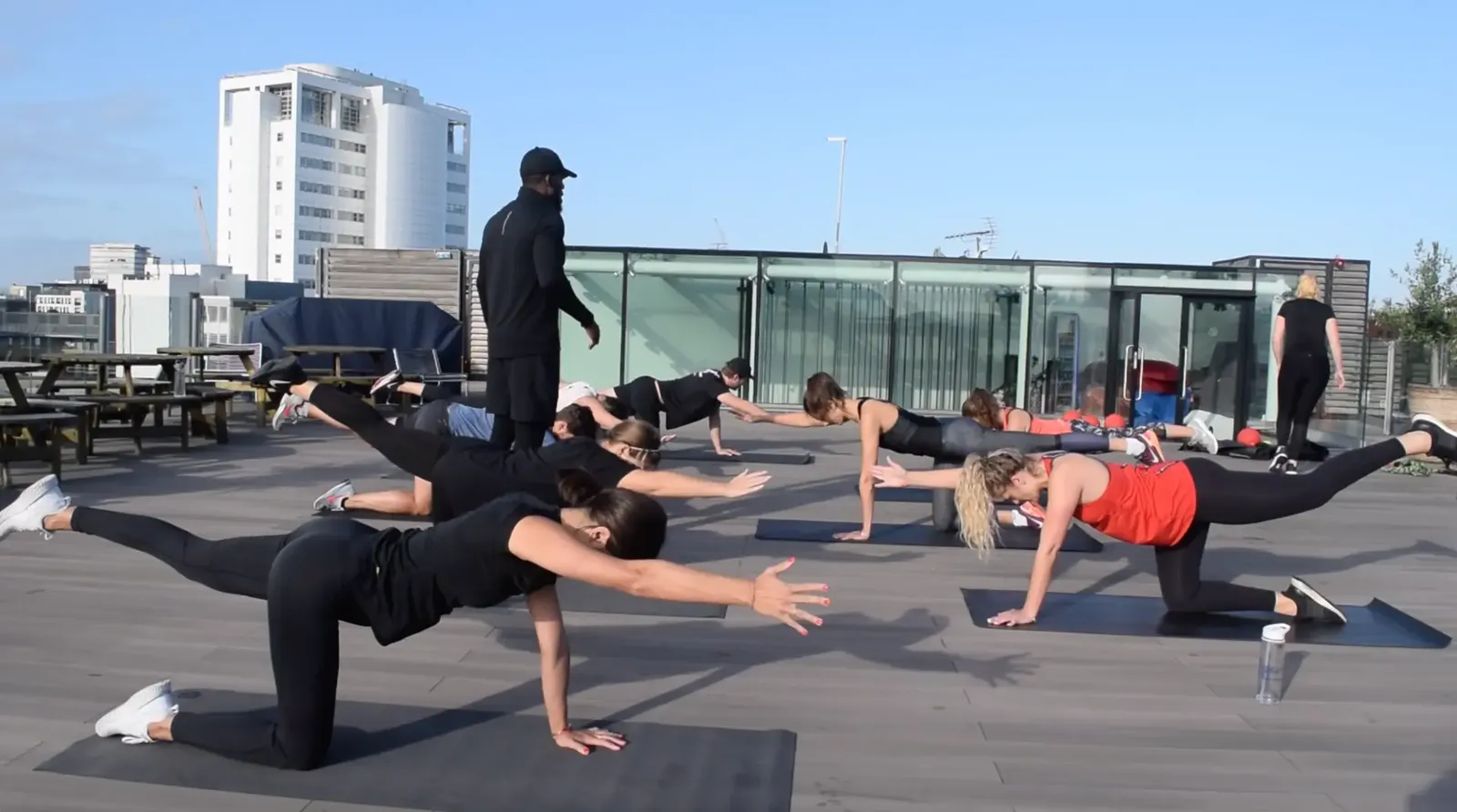
Wellbeing that lives in an app or a once-a-year event gets forgotten. Put it in the calendar: a weekly session, a regular talk, movement breaks in long meetings. Our weekly sessions at Red Bull UK have lasted because they're a fixed part of the week.
Step 4: Leaders go first
Staff take their cues from leadership. When senior people join sessions, take proper breaks and talk openly about their own health, everyone else feels allowed to. Look after your leaders too. They're often the last to look after themselves.
Step 5: Measure and adjust
Pick a few simple measures and review them every quarter:
- attendance at sessions
- staff feedback and pulse scores
- sickness absence trends
- engagement and retention
Then adjust. Drop what isn't used, and do more of what is.
Where physical wellbeing fits
Physical and mental health aren't separate. Regular movement is one of the most reliable tools we have for mood, stress, sleep and energy. Back and neck pain from long days at a desk is one of the most common complaints I hear from teams.
Practical options include:
- weekly onsite classes: strength, mobility, posture and core (my guide to corporate fitness classes)
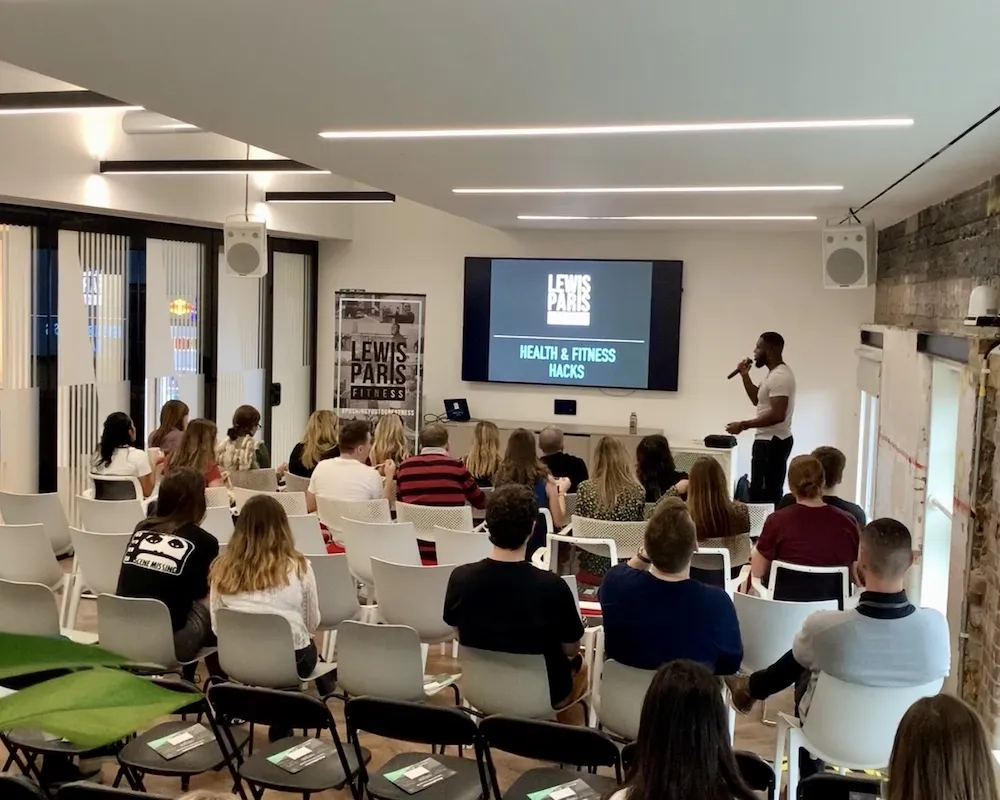
- workshops on posture, energy, sleep and stress
- 1-2-1 coaching for leaders
For more practical ideas, see 10 workplace wellness ideas staff actually use.
What to ask a wellbeing provider
- What results have you had with teams like ours?
- How do you keep attendance high after the first month?
- Can you scale sessions for every fitness level and for injuries?
- Will the same person deliver every session?
- How will you report on attendance and feedback?
FAQs
What should an employee wellbeing strategy include?
Clear priorities based on your data, activities built into the working week, leadership involvement, and a few simple measures you review every quarter.
How much should we spend on employee wellbeing?
There's no fixed figure. Start with your biggest problem area, and fund one or two things properly rather than spreading budget thinly across many.
How do we measure the impact of employee wellbeing?
Track attendance, feedback, sickness absence and retention over time. Review every quarter and adjust.
Is physical activity part of employee wellbeing?
Yes. Regular movement supports mood, stress, sleep and energy, and it tackles common problems like back pain from desk work.