Corporate Fitness Classes in London: What to Book (and What Staff Actually Use)
By Lewis Paris ·
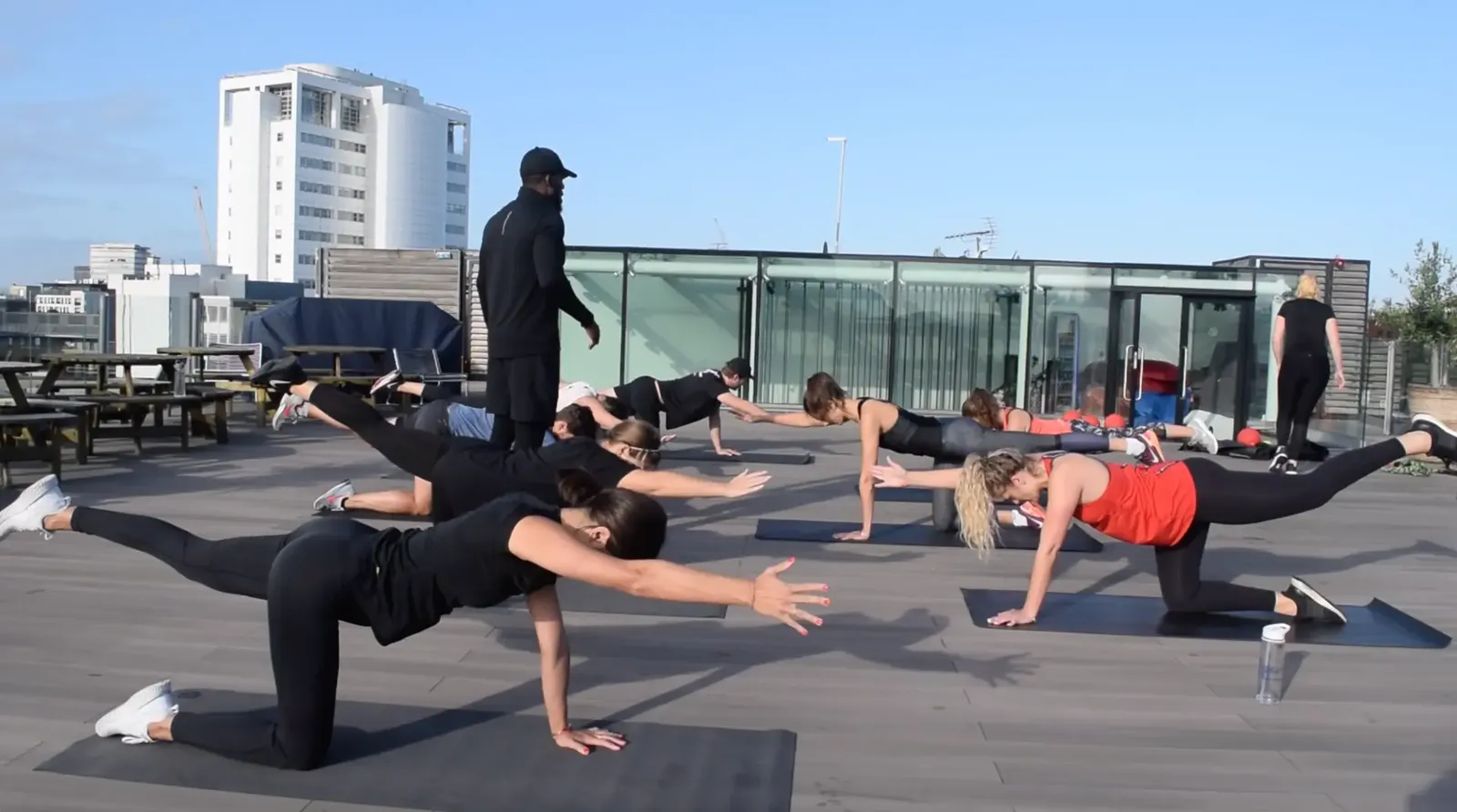
Most office fitness programmes start with a buzz and fade by week six. Attendance drops, the room gets booked for meetings, and the budget goes elsewhere.
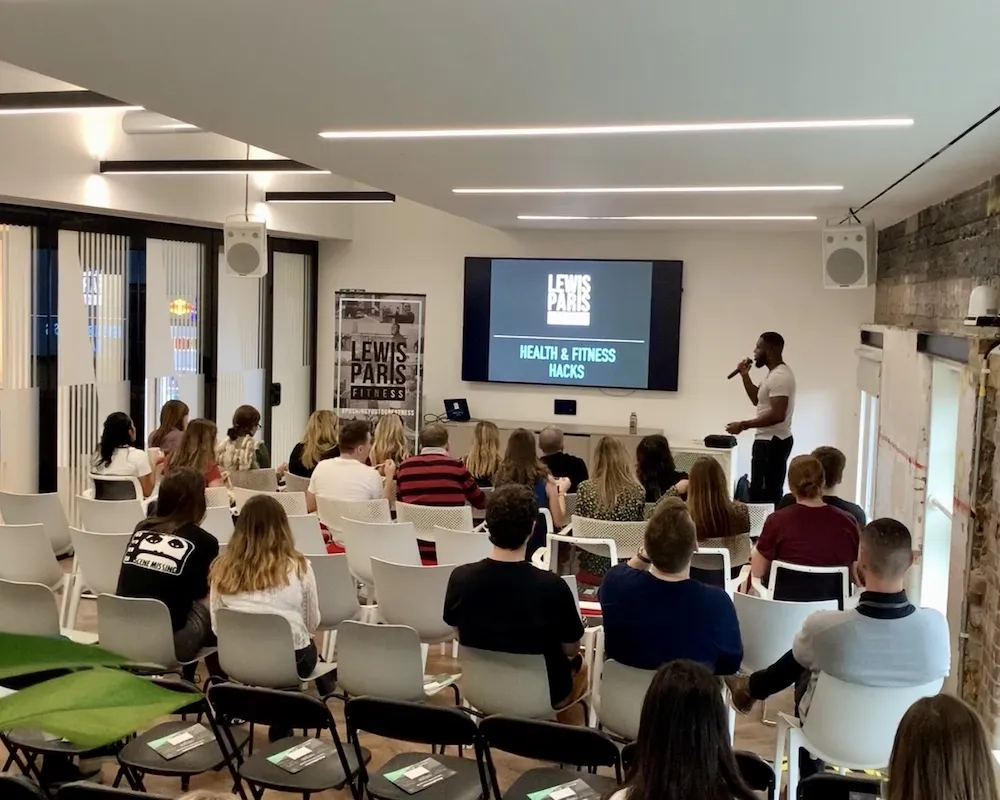
Since 2018, I've run weekly fitness sessions for Red Bull UK at their Covent Garden office. They're still going. Here's what I've learned about corporate fitness classes that people actually use.
Why London companies are investing in this now
The numbers have moved in the wrong direction. The CIPD's 2025 Health and wellbeing at work report found that average sickness absence has reached 9.4 days per employee per year, the highest in more than 15 years. Mental ill health is now the leading cause of long-term absence.
The HSE estimates that work-related stress, depression and anxiety cost 22.1 million working days in 2024/25.
A fitness class won't fix a toxic culture. But regular movement is one of the most reliable tools we have for energy, mood, sleep and stress. It also brings people together, and that matters more than ever for hybrid teams.
Class formats that work
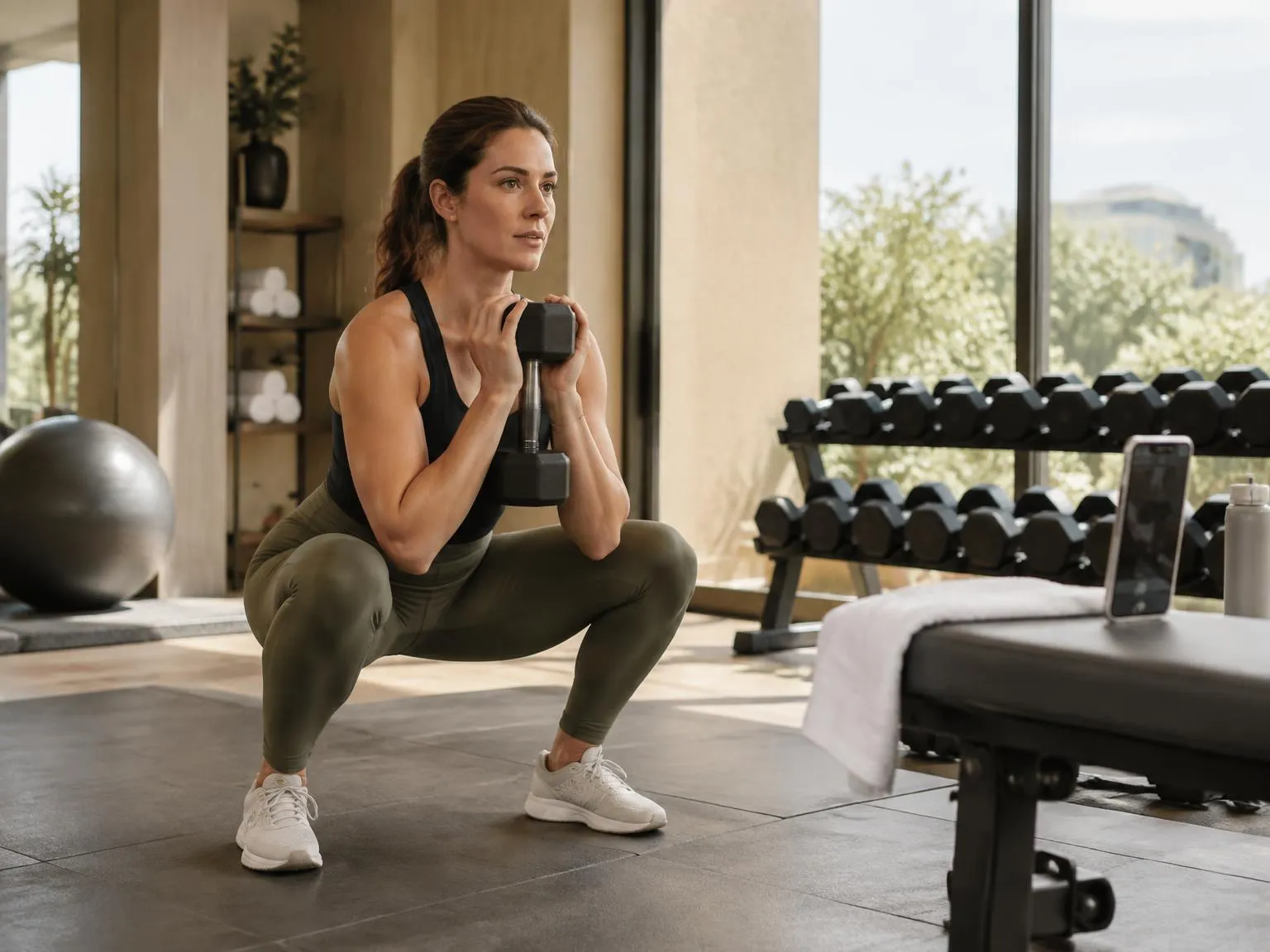
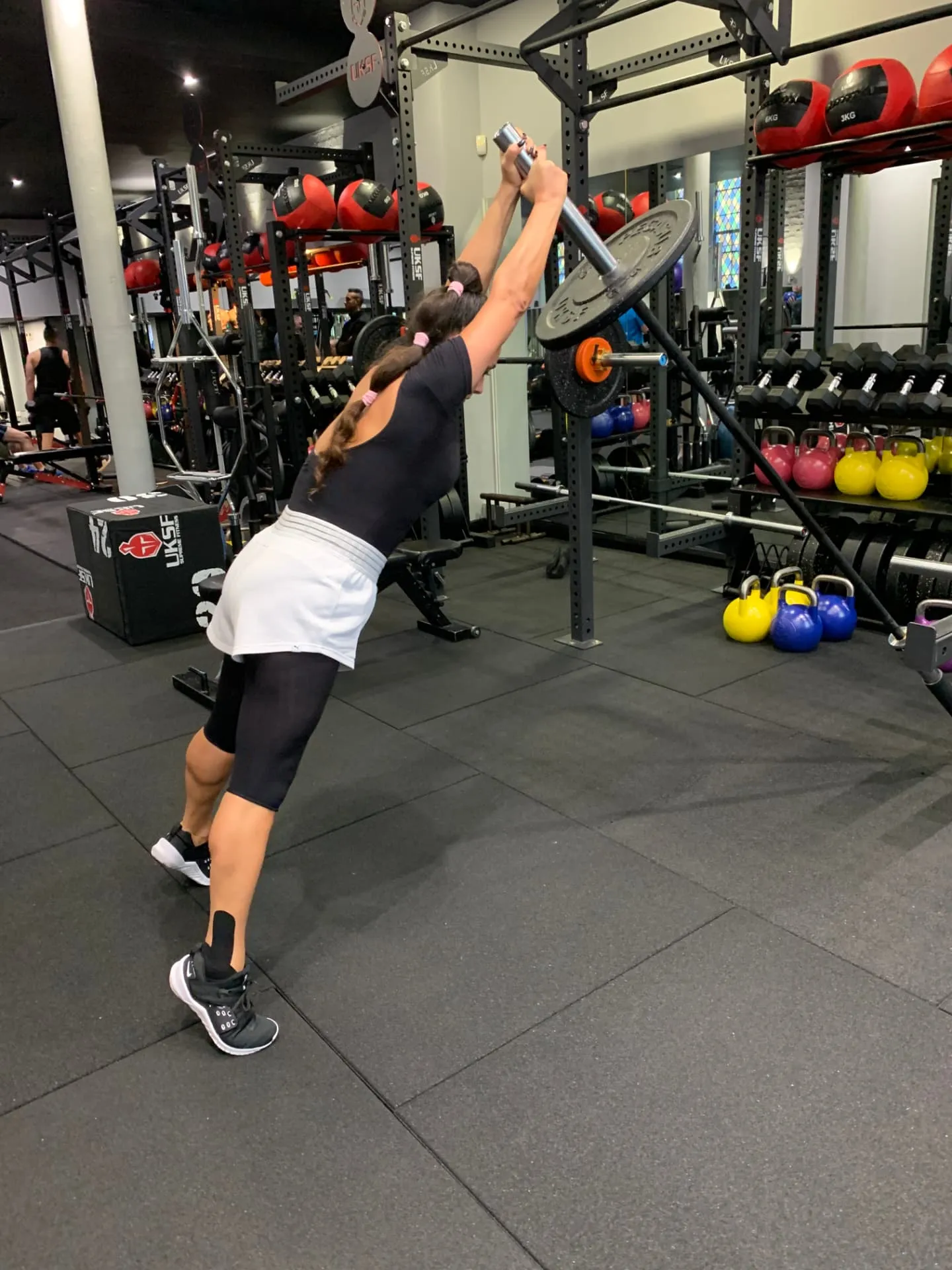
- Strength and conditioning. Builds fitness and confidence. Every exercise can be scaled, so beginners and regular gym-goers can train side by side.
- Mobility and flexibility. Made for desk bodies: tight hips, stiff backs, sore necks. Often the most popular session.
- Posture and core. Targets the aches that come from long days at a laptop.
- Circuits or bootcamp. Great energy and a strong way to launch a programme, but on its own it rarely keeps people coming back.
- Workshops and talks. Posture, energy, sleep and practical habits for busy people. Good for reaching staff who won't come to a class yet. (More ideas in my guide to workplace wellness.)
The Red Bull UK lesson: variety plus progression
We started with a weekly onsite bootcamp and a workshop on posture and everyday health habits. As I got to know the team, I changed the format to rotating weekly themes: strength and conditioning, mobility and flexibility, and posture and core.
Each session teaches something and builds on the last. That combination keeps people coming back. In their words, I've been "energising Red Bull UK" for years, "keeping us motivated and keeping it fun."
What you need to run classes onsite
Less than you think.
- Space: a meeting room or breakout area with the tables pushed back.
- Kit: I bring it.
- Showers: helpful, not essential. Mobility and posture sessions don't leave people sweaty.
- Timing: 30 to 45 minutes over lunch, or first thing in the morning.
For hybrid teams, schedule sessions on your busiest office day. It gives people another reason to come in.
What affects the cost
Every programme is quoted to fit the team, but these are the main factors:
- how often (weekly is the minimum that builds a habit)
- group size
- onsite or at a nearby gym
- one-off sessions or a rolling programme
- whether you add workshops, talks or 1-2-1 sessions for leaders
Be wary of very cheap rolling deals. You'll often get a different instructor each week, and the relationship with your team is a big part of why people keep turning up.
How to get people to turn up
- Fix the slot. Same day, same time, in everyone's calendar.
- Leaders go first. When senior people take part, everyone else feels allowed to.
- Make it for every level. If the session looks like a hardcore gym class, most people won't come.
- Keep it short. 30 to 45 minutes fits around a working day.
- Ask for feedback every quarter and adjust the format. That's how Red Bull UK's sessions have lasted.
What to ask a corporate fitness provider
- Are you qualified and insured to coach groups?
- Can you scale every session for beginners and people with injuries?
- Who else do you work with, and can I speak to them?
- Will the same coach run every session?
- How will you measure attendance and feedback?
You can see how I run corporate wellness programmes, including classes, workshops and talks, on my corporate wellness page.
FAQs
How much do corporate fitness classes cost in London?
It depends on how often you run them, group size, location and whether you add workshops. Most providers quote per programme. Ask for a quote based on a weekly rolling programme, not a single taster.
Do we need a gym or special equipment?
No. A cleared meeting room works for most sessions, and a good provider brings the kit.
How often should we run classes?
Weekly at minimum. Anything less and it doesn't become a habit.
Can staff of all fitness levels join in?
They should be able to. Every exercise should have an easier and a harder option, so a first-timer and a marathon runner can train in the same session.